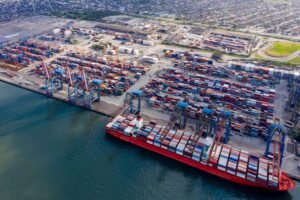

Brazil offers international companies access to one of the largest consumer markets and economies in the world. With a large domestic market, strong industrial and agricultural sectors, abundant natural resources and growing investment across infrastructure, energy and technology, the country offers opportunities across a wide range of industries.
Entering Brazil also requires preparation. Regulation, taxation, regional differences, business culture and local administration can make the market more complex than it first appears. Companies that understand these factors and build the right local structure are better positioned to develop lasting business in Brazil.
This guide covers the key practical considerations for international companies looking to enter the Brazilian market, establish operations, find local partners or develop commercial activities in Brazil.
In This Guide
- Understanding Brazil as a Market
- Choosing the Right Market Entry Strategy
- Finding Local Partners and Customers
- Setting Up a Company in Brazil
- Tax, Banking and Accounting
- Hiring Employees in Brazil
- Importing and Exporting
- Regulation and Compliance
- Brazilian Business Culture
- The Importance of Local Presence
- Choosing the Right Region
- A Practical Approach to Entering Brazil
- Conclusion
Understanding Brazil as a Market
Brazil is not a single uniform market. With more than 200 million inhabitants spread across 26 states and a territory almost the size of Europe, regional differences in income, consumer behaviour, infrastructure and business conditions can be significant.
São Paulo remains the country’s main financial and corporate centre and accounts for roughly one-third of Brazil’s GDP. It is home to a large share of Brazil’s multinational companies, financial institutions and high-income consumers.
Other regions have different economic profiles. Northeast Brazil has strong positions in tourism, renewable energy, agriculture and infrastructure. States such as Santa Catarina and Paraná combine industrial activity with developed logistics networks and relatively high purchasing power. Minas Gerais has a strong industrial and mining base, while Rio de Janeiro remains important for energy, services and tourism.
These differences matter when deciding where to sell, invest or establish operations. Pricing, distribution, competition, labour costs and customer behaviour can all vary between regions.
A successful market entry strategy therefore starts with understanding where the opportunity is, rather than treating Brazil as one national market.
Choosing the Right Market Entry Strategy
There is no single way to enter the Brazilian market ↗. The right approach depends on the product or service, target customers, sector and level of control the company wants to maintain.
Local distributors and commercial partners
For companies focused on importing and selling products, working with a Brazilian distributor or commercial partner can be a practical starting point. A local partner already understands the market, has established customer relationships and can handle parts of the sales and distribution process.
Brazilian subsidiary
Companies that want greater control over sales, employees, contracts and operations can establish a Brazilian company. A local entity also provides a structure for building a permanent presence in the market.
Joint ventures and strategic partnerships
A Brazilian partner can also provide local knowledge, distribution networks, technology or production capacity. Joint ventures are particularly relevant in sectors where local expertise and relationships are important.
Acquisitions
Acquiring an existing Brazilian company provides immediate access to employees, customers, facilities and local market knowledge. This can be an efficient route into sectors where building a market position from scratch would take years.
The best approach depends on the company’s objectives. Some businesses can test the market through a local partner before establishing their own operation. Others need a Brazilian entity from the beginning because of their sector, customers or operational requirements.
Finding Local Partners and Customers
Finding the right local partner is often one of the most important steps when entering Brazil. A good partner can provide market knowledge, customer relationships and practical support that would take years to develop independently.
The search should go beyond simply finding a company in the right industry. Companies should assess a potential partner’s reputation, financial position, customer base, regional presence and experience with international businesses.
The same applies to finding customers. Brazil’s size means that a company does not necessarily need to target the entire country from the beginning. Starting with a specific sector, region or customer segment can make market entry more manageable.
Local trade fairs, industry associations, business networks and direct commercial outreach can all help identify potential partners and customers.
Language also matters. Although many Brazilian business professionals speak English, Portuguese remains the primary language of business. Contracts, government procedures, customer communication and many day-to-day interactions take place in Portuguese.
Building relationships locally can therefore make a significant difference. Regular communication, meetings and follow-up help establish the trust that is important in Brazilian business relationships.
Setting Up a Company in Brazil
Companies that want to establish a permanent presence in Brazil will usually need a Brazilian legal entity. The most common structure for foreign-owned businesses is the Sociedade Limitada (LTDA), a flexible corporate structure used across many sectors.
Setting up a company involves more than registering the business name. The process can include defining the corporate structure, appointing directors or legal representatives, obtaining a CNPJ, registering with the relevant authorities and setting up accounting and tax processes.
Foreign shareholders can own Brazilian companies, although specific requirements apply to foreign individuals and companies. A Brazilian legal representative is also required in many structures to deal with local authorities and represent the company in Brazil.
The company’s CNAE classification is another important consideration. It determines the activities the company is registered to perform and can affect taxation, licensing and regulatory requirements.
The right structure should therefore be decided before incorporation. Companies should consider not only their immediate commercial plans but also whether they expect to hire employees, import goods, sign local contracts, open offices or expand their activities later.
Tax, Banking and Accounting
Brazil has a complex tax system, and tax planning should be part of the market-entry process from the beginning.
Companies operating in Brazil may be subject to federal, state and municipal taxes depending on their activities. The applicable tax regime also depends on factors such as revenue, business activity and corporate structure.
Brazil is currently implementing a major tax reform, which will gradually change the country’s consumption tax system. The transition began in 2026 and will continue over several years. Companies entering Brazil should therefore consider both the current tax framework and the changes already underway.
Banking
A Brazilian company will generally need a local bank account to receive payments, pay suppliers, manage payroll and conduct day-to-day operations.
Opening a corporate bank account can require corporate documentation, identification of shareholders and directors, proof of address and other information required by the financial institution.
Accounting and compliance
Brazilian companies must maintain local accounting records and comply with regular tax and reporting obligations. Electronic invoicing is also widely used, with invoices and tax information submitted through government systems.
For companies operating in Brazil, accounting is therefore not simply an annual reporting exercise. Tax filings, invoices, payroll and other compliance requirements are part of the day-to-day operation of the business.
Hiring Employees in Brazil
Hiring employees in Brazil follows a detailed set of labour rules. Most employment relationships are governed by the CLT (Consolidação das Leis do Trabalho), which covers employment contracts, working hours, vacation, pay and termination.
The cost of employing someone also goes beyond their salary. Employers need to account for INSS, FGTS, the 13th salary, vacation pay and other statutory costs and benefits.
Employees must also be registered through eSocial, the government’s digital system for employment, social security and tax reporting.
The employment structure matters as well. Depending on the situation, companies can hire employees directly through a Brazilian entity or use an Employer of Record (EOR). Independent contractors can also be used in appropriate circumstances, but companies need to make sure the relationship is genuinely independent and does not create an employment relationship under Brazilian labour law.
For a detailed overview, see our guide on Hiring Employees in Brazil ↗.
Importing and Exporting
Brazil is a major trading nation, but importing and exporting goods involves specific customs, tax and documentation requirements.
Companies importing products into Brazil need to register their activities with the relevant authorities and comply with customs procedures. Import taxes can include federal duties as well as other taxes and charges, depending on the product, state and transaction structure.
The NCM (Nomenclatura Comum do Mercosul) classification is particularly important. Each product imported into Brazil needs the correct classification, which determines the applicable tariffs, taxes and regulatory requirements.
Importing into Brazil
Before importing, companies should assess:
- Product classification and applicable tariffs
- Import licences and regulatory requirements
- Customs procedures and documentation
- Import taxes and other charges
- Freight and insurance costs
- Local distribution and storage
Brazil’s customs system is increasingly digitalised, but import procedures can still be complex, particularly for regulated products.
Exporting from Brazil
Brazil is a major exporter of agricultural products, minerals, energy products and manufactured goods. Companies exporting from Brazil need to comply with Brazilian customs requirements and the rules of the destination market.
The EU-Mercosur trade agreement↗ also creates new opportunities for trade between Brazil and Europe as tariffs are reduced and market access improves over time.
For companies planning international trade, understanding the full landed cost and regulatory requirements before entering into commercial agreements is essential. A product that appears competitive at the factory gate can have a very different cost once import duties, taxes, logistics and compliance are included.
Regulation and Compliance
Operating in Brazil means dealing with a range of federal, state and municipal rules. The exact requirements depend on the company’s activities, location and industry.
Companies may need licences and registrations covering areas such as environmental protection, health and safety, construction, imports, data protection and specific industry regulations.
Data protection
Brazil has its own data protection legislation, the LGPD (Lei Geral de Proteção de Dados). Companies that process personal data in Brazil need to comply with rules covering data collection, processing, storage and sharing.
Electronic invoicing
Electronic invoices are standard across much of the Brazilian economy. Companies need to issue invoices according to the applicable federal, state or municipal requirements and ensure that their accounting systems are correctly configured.
Industry-specific regulation
Certain sectors face additional requirements. Financial services, healthcare, energy, telecommunications, food and pharmaceuticals are examples of industries with dedicated regulatory frameworks.
Compliance should therefore be considered during market entry rather than after operations have already started. The requirements can influence the company’s structure, costs, contracts and operational processes from the beginning.
Brazilian Business Culture
Understanding how business is conducted in Brazil can be just as important as understanding the legal and tax environment.
Brazilian business culture tends to place a strong emphasis on relationships and personal trust. Business partners often want to know who they are dealing with before committing to a long-term commercial relationship. Regular communication and face-to-face meetings can therefore be important, particularly during the early stages of a partnership.
Communication
Portuguese is the main language of business in Brazil. English is common in multinational companies and some specialised industries, but companies should not assume that every customer, supplier or government contact will work comfortably in English.
Using Portuguese for contracts, proposals and important communications can make negotiations and daily operations much easier.
Building relationships
Business relationships often develop through repeated contact rather than a single meeting. Meetings over coffee or lunch can be part of the process of getting to know a potential partner, and personal rapport can influence business decisions.
This does not mean that business is informal or that professional standards are lower. Brazilian companies operate within sophisticated commercial and corporate environments. The difference is often in how relationships are developed before business commitments are made.
Timing and follow-up
Companies entering Brazil should also allow time for negotiations, approvals and internal decision-making. Processes can involve several people or organisations, and a meeting does not always mean that a decision has been made.
Consistent follow-up is important. A company that remains available, responds quickly and maintains regular contact is more likely to keep a commercial opportunity moving.
The Importance of Local Presence
Brazil’s size and complexity make local presence valuable for many international companies.
Having people on the ground can improve communication with customers, suppliers, employees and government authorities. It also gives companies a better understanding of local market conditions and allows them to respond more quickly to opportunities.
Local presence can take different forms. A company might work with a local distributor or commercial partner, appoint a representative, establish a Brazilian subsidiary or build a local management team.
The right approach depends on the company’s activities. A business selling products through distributors may not need a large local organisation. A company hiring employees, managing projects or serving major Brazilian customers may benefit from a permanent operation.
Local presence also matters outside the major commercial centres. A company targeting customers in Northeast Brazil, for example, may need a different local setup from a company operating in São Paulo or Santa Catarina.
The objective is not simply to have a Brazilian address. It is to have the people, relationships and operational capacity needed to run the business effectively in Brazil.
Choosing the Right Region
Brazil’s size means that location should be part of the market-entry strategy. The best region depends on the sector, target customers, logistics and available infrastructure.
São Paulo
São Paulo is Brazil’s main business and financial centre. It has the country’s largest concentration of multinational companies, financial institutions, professional services and corporate headquarters. For companies targeting large corporate customers, technology, financial services or professional services, São Paulo is often the natural starting point.
Rio de Janeiro
Rio de Janeiro has a strong position in energy, oil and gas, tourism, infrastructure and services. Its location, international profile and large consumer market also make it relevant for companies targeting tourism and consumer-related industries.
Northeast Brazil
The Northeast offers opportunities in tourism, renewable energy, agribusiness, infrastructure and manufacturing. States such as Ceará, Bahia, Pernambuco and Rio Grande do Norte have attracted significant investment in wind and solar energy, ports and industrial projects.
Southern Brazil
States such as Santa Catarina, Paraná and Rio Grande do Sul have strong manufacturing, agribusiness and logistics sectors. Santa Catarina in particular combines industrial activity, export infrastructure and relatively high purchasing power.
Minas Gerais
Minas Gerais has a strong industrial and mining base and plays an important role in Brazil’s agricultural and manufacturing supply chains. Its location also provides access to major markets in Southeast Brazil.
The right location ultimately depends on what a company is trying to achieve. A company does not necessarily need to establish itself in São Paulo simply because it is Brazil’s largest business centre. In some sectors, another state may offer better access to customers, resources, energy, labour or logistics.
A Practical Approach to Entering Brazil
Entering Brazil is easier when the market-entry process is planned in stages. Instead of trying to establish a full national operation from the start, companies can build their presence around their immediate commercial objectives and expand as the business develops.
A practical approach can look like this:
1. Define the market opportunity
Identify the products, services, sectors and customer groups that offer the strongest potential. Determine which regions of Brazil are most relevant and assess the existing competition.
2. Choose the right market-entry structure
Decide whether to work through a distributor, commercial partner, representative, Brazilian subsidiary, joint venture or acquisition. The right structure depends on the level of control and local presence required.
3. Build local relationships
Identify potential customers, suppliers and partners and establish direct relationships. Local networks can provide valuable information about pricing, competition, regulation and customer expectations.
4. Set up the legal and tax structure
If a Brazilian entity is required, establish the company, obtain the necessary registrations and put accounting, banking and tax processes in place before starting operations.
5. Prepare for local operations
Set up contracts, invoicing, payroll, logistics and compliance processes. Companies importing or exporting goods should also establish the appropriate customs and distribution structure.
6. Start with a focused market
Brazil is too large to treat as a single market. Starting with one region, customer segment or industry can make it easier to build experience and establish a strong market position.
7. Scale once the model works
Once the company has established customers, partners and operational processes, it can expand into additional regions and business segments.
The most effective market-entry strategies are rarely built around a single step. They develop over time as the company gains local knowledge, builds relationships and establishes a stronger position in the Brazilian market.
Conclusion
Brazil offers international companies access to a large domestic market, established industrial sectors, natural resources and growing investment across areas such as infrastructure, energy and technology.
At the same time, entering the market requires more than identifying a commercial opportunity. Companies need to understand the regional differences, choose the right market-entry structure and prepare for Brazil’s tax, regulatory and administrative requirements.
A strong local network can make a significant difference. Local partners, employees and professional advisers can help companies navigate the market, build relationships and respond to local requirements.
For companies willing to take a long-term approach, Brazil offers substantial opportunities across a wide range of industries. The key is to enter with a clear strategy, realistic expectations and the right local support.