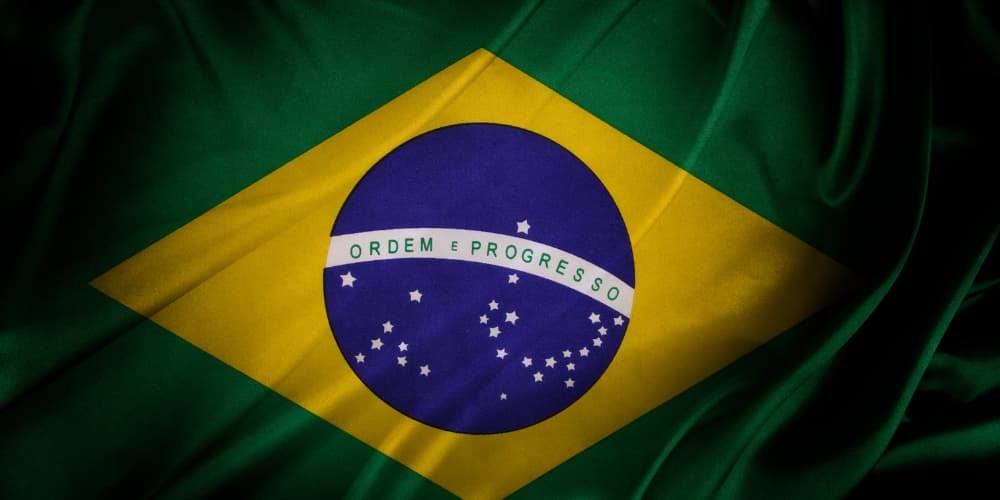

About Brazil
Brazil is strengthening its position on the global stage. Trade agreements, infrastructure investments and federal reforms are contributing to a more stable and attractive environment for international businesses. These developments are driving growth across sectors such as sustainable energy, smart industry, real estate, logistics and tourism.
Key figures of the Brazilian economy:
Domestic market: over 215 million inhabitants
GDP: approximately USD 2.2 trillion
Foreign Direct Investment: approximately USD 80 billion in 2025
Critical raw materials: estimated 20% of global rare earth reserves
Renewable energy: over 80% of all electricity produced
Tourism growth: +37% international arrivals in 2025
At a glance
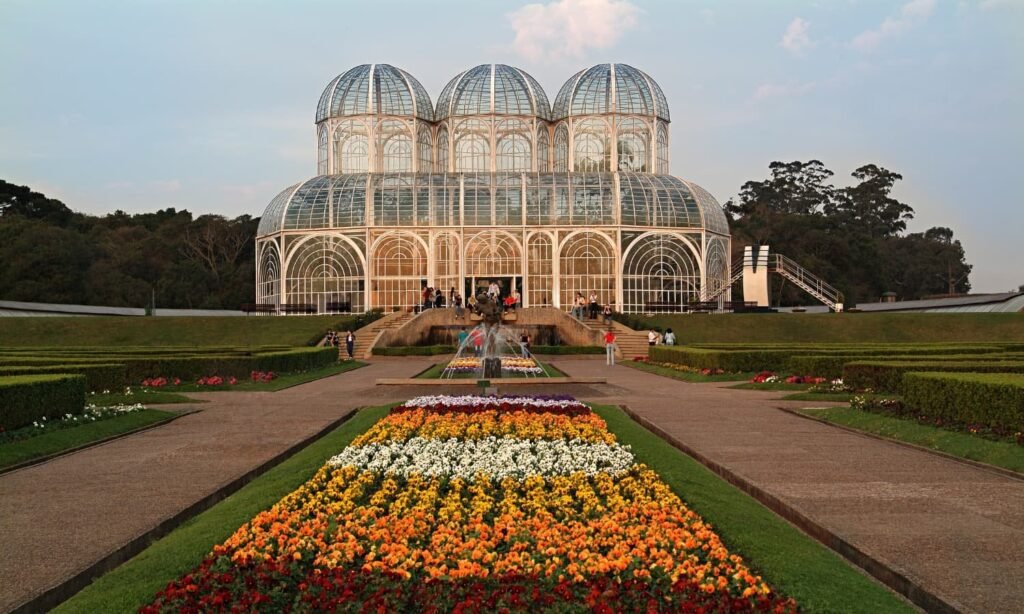
– Curitiba is internationally recognised as a model city for sustainable urban planning and innovative public transport
Legal & regulatory landscape
Brazil’s legal and regulatory framework is comprehensive and operates across federal, state and municipal levels. While this provides structure and oversight, it also requires careful navigation, particularly for foreign companies entering the market.
Taxation remains one of the more complex aspects of doing business in Brazil, with multiple layers of indirect and direct taxes applied at different jurisdictional levels. The ongoing tax reform aims to consolidate several consumption taxes into a more unified system, which is expected to simplify compliance over time.
Corporate structures are well-defined, with common vehicles such as Limitada (Ltda.) and Sociedade Anônima (S.A.) used for local operations. Foreign investors can operate through fully owned subsidiaries, subject to sector-specific regulations.
Regulatory requirements vary by industry, with sectors such as finance, energy and real estate subject to additional licensing and oversight. Administrative processes can be formal and documentation-heavy, making local guidance essential.
Despite this, Brazil offers a well-established legal system and strong institutional framework, providing legal certainty and protection for investors operating within the market.
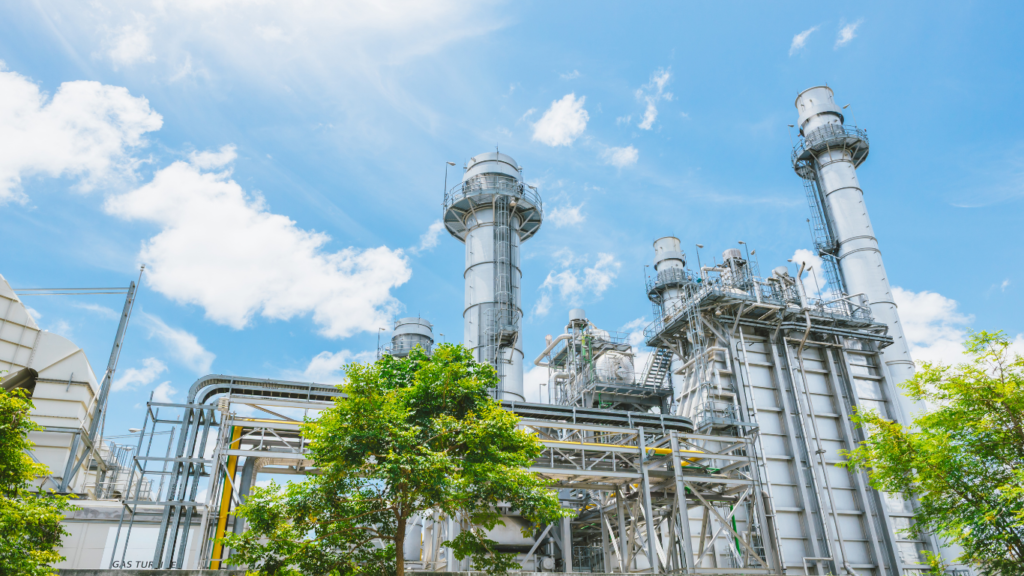
– Brazil’s energy sector is among the most sustainable globally, with over 80% of electricity generated from renewable sources.
Key sectors and opportunities in Brazil
Brazil is one of the world’s largest economies, with a GDP of approximately USD 2.2 trillion and a domestic market of over 215 million people. The country consistently ranks among the top destinations for foreign direct investment, attracting around USD 60–80 billion annually in recent years.
Agriculture remains a key driver, accounting for roughly 25% of GDP when including the broader agribusiness chain.
Industrial activity is concentrated in the Southeast, particularly in São Paulo, which alone represents nearly one–third of the country’s GDP. The region hosts a strong base in manufacturing, finance and services, supported by well-developed infrastructure and access to major ports such as Santos.
The real estate market reflects ongoing urbanisation and demographic growth, with São Paulo and Rio de Janeiro remaining key hubs. At the same time, tourism-driven regions and secondary cities are seeing increasing development activity.
In parallel, Brazil continues to invest in infrastructure and energy. The country is among the global leaders in renewable energy, with a diversified energy matrix and ongoing expansion in wind and solar capacity.
Taken together, these factors position Brazil as a large-scale, resource-rich and regionally diverse market with relevance for long-term business and investment strategies.
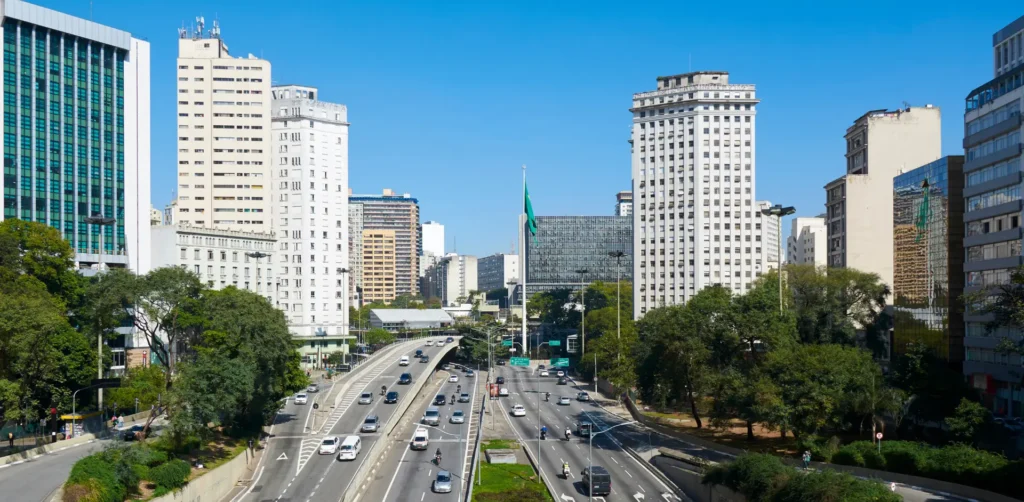
– São Paulo, Brazil’s financial centre, responsible for around 30% of the country’s GDP and a key hub within Mercosur.
News & Insights
More insights on Brazil's economic development
Federal Tax Reform
A landmark tax reform is reshaping Brazil’s complex system, moving towards a best-practice value-added tax
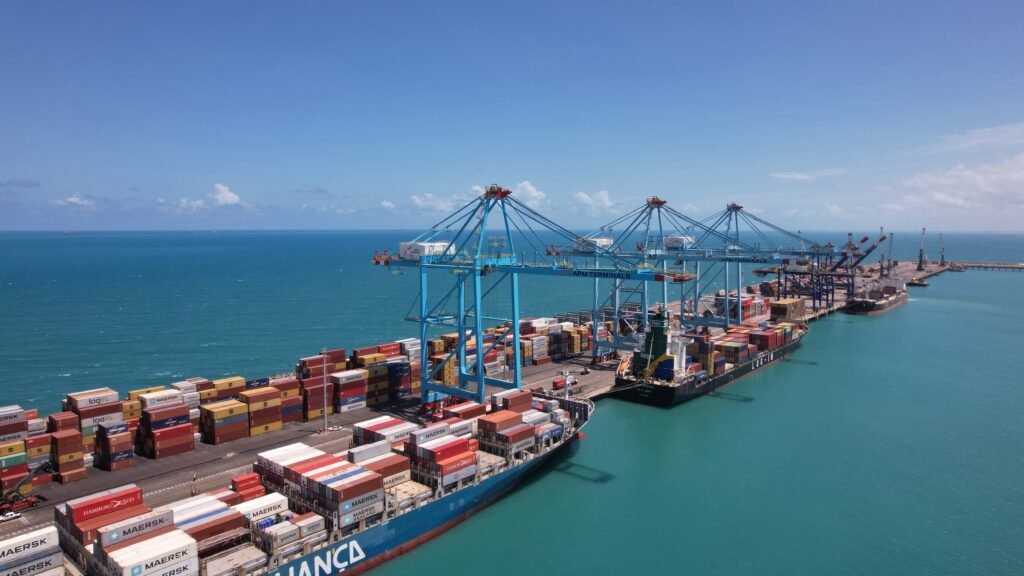
EU–Mercosur trade agreement
The long-anticipated agreement is expected to strengthen trade and open new opportunities in Brazil.
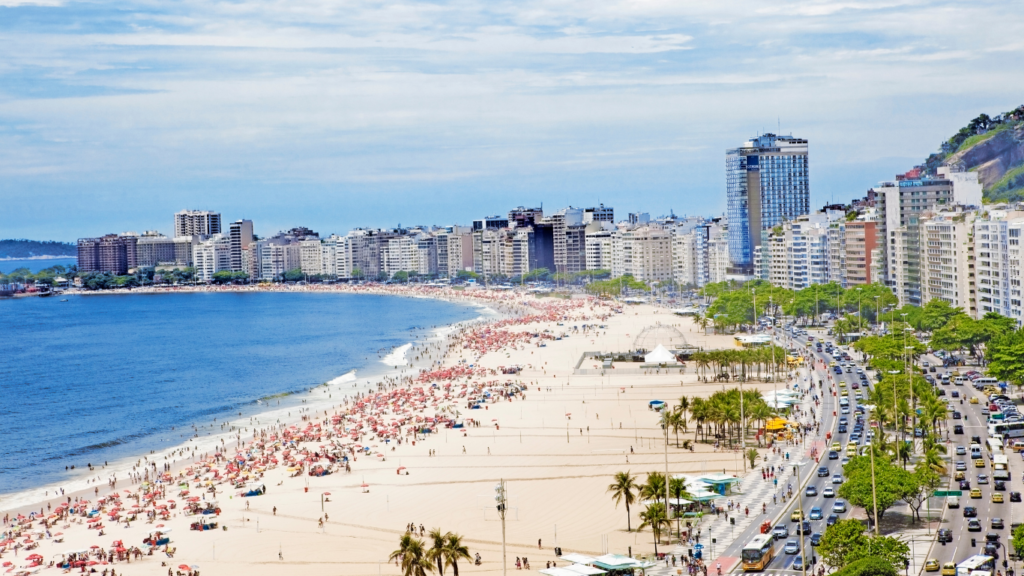
Growth in Brazil’s tourism sector
Tourism continues to expand, driven by international demand and increased investment in infrastructure.