

Brazil is widely recognized as one of the world’s agricultural powerhouses. It is the largest exporter of soybeans, coffee and sugar, one of the world’s leading producers of corn, cotton and beef, and home to an agricultural sector that plays a critical role in feeding a growing global population.
Less well known is that Brazil is also becoming one of the world’s fastest-growing markets for agricultural technology.
The country’s smart agriculture market was valued at approximately US$669 million in 2025 and is expected to more than triple by 2033, driven by rapid adoption of precision farming, automation, artificial intelligence and data-driven agriculture. Brazil now counts more than 2,000 AgTech companies, making it one of the world’s largest agricultural innovation ecosystems.
For European and North American technology companies, this represents an important shift. Brazil is no longer simply a destination for agricultural exports or heavy machinery. It is increasingly becoming a market where advanced software, sensors, automation and digital solutions play a central role in improving productivity across one of the world’s largest farming industries.
The opportunity, however, is not as straightforward as it may first appear.
Not one single agricultural market
One of the biggest misconceptions among international technology companies is treating Brazilian agriculture as a single market.
In reality, Brazil’s agricultural sector is remarkably diverse. The country stretches across multiple climate zones, ecosystems and production systems, creating very different technological requirements from one region to another.
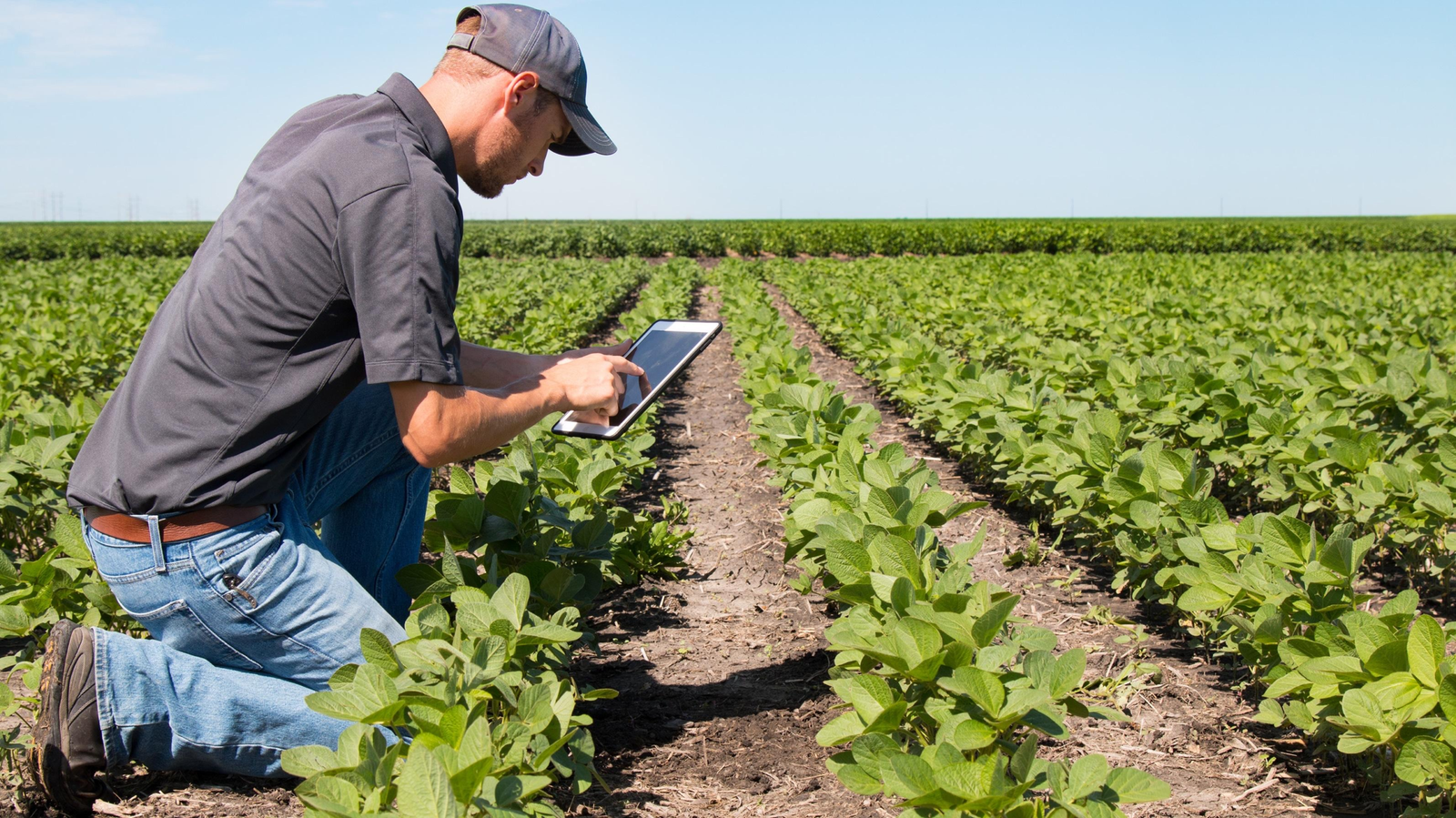
In the vast plains of Mato Grosso, agriculture is dominated by large-scale soybean, corn and cotton production. Farms covering tens of thousands of hectares increasingly rely on GPS-guided machinery, satellite imagery, autonomous equipment and precision application technologies to maximise efficiency across enormous production areas.
Further south, states such as Rio Grande do Sul e Paraná have a stronger focus on livestock, dairy farming and mixed agriculture. Here, producers often invest in technologies such as herd management software, animal health monitoring and feed optimisation rather than large-scale autonomous field operations.
Meanwhile, Minas Gerais, the country’s leading coffee-producing state, presents another entirely different technology profile. Coffee producers use digital crop monitoring, irrigation management and data analytics to improve quality, sustainability and yield in a highly competitive export market.
In the state of São Paulo, sugarcane and citrus dominate the landscape, creating demand for technologies ranging from precision harvesting to industrial supply chain optimisation. Along the northeast coastline, irrigated fruit production continues to expand, increasing the importance of water management technologies and climate monitoring systems.
For technology companies, this distinction matters.
Selling agricultural technology in Brazil is rarely about targeting “Brazilian agriculture.” It is about identifying the right production systems, understanding regional challenges and matching technology to specific operational needs.
Brazil’s AgTech ecosystem is growing
The growing demand for agricultural technology has also fueled the rapid expansion of Brazil’s domestic innovation ecosystem. Today, more than 2,000 AgTech startups operate across the country, developing solutions for every stage of the agricultural value chain—from precision farming and biological crop protection to robotics and digital farm management.
The ecosystem has matured significantly over the past decade. Rather than focusing solely on early-stage innovation, many Brazilian AgTech companies now operate at commercial scale, supported by venture capital, research institutions such as Embrapa, and close collaboration with one of the world’s largest agricultural industries.
This also changes the competitive landscape for international companies. Brazil is no longer a market where agricultural technology still needs to be introduced. It is a market with a mature and rapidly evolving AgTech ecosystem, where foreign companies are most successful when they complement existing capabilities with specialized technologies and international expertise…
Where international technology can create value
The rapid growth of Brazil’s AgTech sector does not mean opportunities for international companies have disappeared. Quite the opposite.
As the market matures, demand is shifting from basic digitalization toward more specialized technologies that help producers improve productivity, reduce operational costs and meet growing sustainability requirements.
For international companies, the strongest opportunities therefore lie not in competing directly with established manufacturers or local software providers, but in complementing existing capabilities with specialized expertise.
This may include technologies such as precision fertilizer and spraying equipment, smart irrigation systems, autonomous guidance solutions, agricultural drones, climate and soil sensors, livestock monitoring systems, post-harvest automation, or farm management software. While the technologies differ, they share a common objective: helping producers increase productivity, reduce input costs and make more informed operational decisions.
For European and North American AgTech companies, this creates opportunities across both equipment and digital solutions. Brazilian producers are generally willing to invest in technologies that demonstrate a clear return on investment. Whether that means reducing fertilizer consumption, improving irrigation efficiency or increasing harvesting productivity, solutions that solve practical operational challenges are often well received in the Brazilian market.
Building trust on the ground
Even the most innovative agricultural technology will only succeed if it fits the realities of the Brazilian market.
Unlike many European countries, agricultural purchasing decisions in Brazil are often built on long-term relationships between producers, distributors, agronomists and equipment suppliers. Demonstrating a technology in the field, providing reliable after-sales support and being able to respond quickly to technical questions can be just as important as the technology itself.
For many international AgTech companies, the most effective market entry strategy is therefore gradual rather than immediate. Partnering with established distributors, collaborating with local agronomists, building a network of certified service engineers, or participating in regional agricultural exhibitions can provide valuable market insight while helping to build credibility with Brazilian producers.
Local adaptation also matters. Products may require adjustments to accommodate tropical climates, different crop varieties, local farming practices or Brazilian technical standards. Commercial materials, technical documentation and customer support are often expected to be available in Portuguese, particularly outside the largest multinational agribusinesses.
Over time, this local presence becomes more than an operational necessity—it becomes a competitive advantage. Companies that combine proven international technology with a genuine understanding of Brazilian agriculture are often the ones that build lasting relationships and achieve sustainable growth.
Conclusão
Brazil is no longer defined solely by the scale of its agricultural production. It is rapidly becoming one of the world’s largest markets for agricultural technology, driven by increasing digitalization, automation and the growing need to produce more efficiently and sustainably.
For international AgTech companies, the opportunity lies not in treating Brazil as a single market, but in understanding its regional diversity, identifying the right niche and building a strong local presence. Companies that combine proven technology with local partnerships, reliable support and a long-term market strategy will be best positioned to benefit from Brazil’s next phase of agricultural modernization.
At Ipanema International, we help international technology companies explore opportunities in Brazil and build the local foundation needed for sustainable market entry.
Fontes
- Grand View Research – Brazil Smart Agriculture Market Size & Outlook
- Embrapa / Radar AgTech Brasil – Radar AgTech Brasil 2025
- IMARC Group – Brazil Smart Agriculture Market Report