

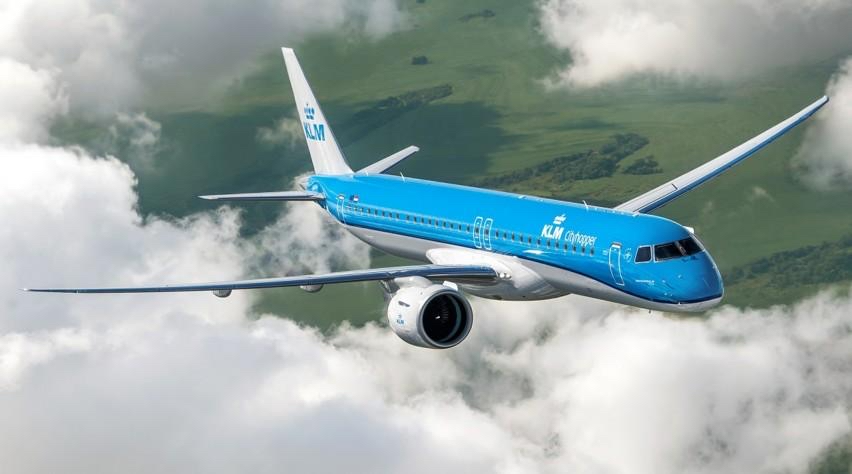
In 2025, Brazilian aircraft manufacturer Embraer reported revenues exceeding US$7.5 billion and a record order backlog of more than US$31 billion. The company delivered over 240 aircraft across its commercial, executive aviation, and defense divisions while continuing to expand its global customer base.
These results reinforce Embraer’s position as one of the world’s leading aerospace manufacturers. More broadly, they highlight an important development within the Brazilian economy: the growing international competitiveness of its advanced industrial sectors.
For companies and investors exploring opportunities in Brazil, Embraer’s success offers valuable insight into the country’s evolving role in global manufacturing, technology, and international trade.
From national champion to global industry leader
Founded in 1969, Embraer has grown from a state-backed aerospace initiative into one of the world’s leading aircraft manufacturers. Headquartered in São José dos Campos, a city often regarded as the heart of Brazil’s aerospace industry, the company has played a central role in the country’s industrial and technological development.
Over the decades, Embraer invested heavily in engineering expertise, research and development, and international expansion. What began as a manufacturer serving domestic and regional markets gradually evolved into a global company with customers on every continent.
Today, Embraer competes internationally in commercial aviation, business jets, defense, and aerospace technology. Its aircraft are operated by airlines, corporations, and military organizations around the world, while the company continues to design and manufacture many of its products in Brazil.
A strategy built on specialisation
So what is the strategy behind Embraer’s success?
Rather than competing solely on size, the company focused on understanding the operational challenges faced by airlines. Regional connectivity, route profitability, fuel efficiency, and operational flexibility became central themes in its product development and commercial strategy.
This customer-focused approach helped Embraer differentiate itself in an industry often dominated by technical specifications and large-scale manufacturing programs.
One example is the regional aviation market itself. Rather than competing directly with larger manufacturers in every aircraft category, Embraer focused on serving routes where passenger volumes often do not justify larger aircraft. This allowed airlines to operate more efficiently while giving Embraer a strong position in a segment that was often underserved by its larger competitors.
The company’s success demonstrates an important lesson that extends beyond aviation: competitive advantage is not always created by being the largest player in the market. Often, it comes from identifying underserved opportunities and executing consistently over the long term.
Where international opportunities emerge
Embraer’s growth extends beyond the company itself.
Today, more than 8,000 Embraer aircraft are in operation worldwide, serving airlines, businesses, and defense organizations across dozens of countries. This global presence has helped position Brazil as an increasingly important player within the international aerospace industry.
For European businesses, this highlights a broader trend. Brazil is no longer solely viewed as a destination market, but increasingly as a source of innovation, advanced manufacturing, and international industrial partnerships.
As trade and investment ties between Europe and Brazil continue to deepen, industries such as aerospace are becoming increasingly relevant areas for international cooperation.
Looking beyond the headlines
Embraer’s recent success demonstrates how Brazilian companies are successfully competing in highly specialized global industries and highlights the growing sophistication of the country’s industrial economy.
For international businesses, this serves as a reminder that some of Brazil’s most interesting opportunities can be found beyond the sectors that traditionally attract attention. As industrial cooperation between Europe and Brazil continues to grow, companies that understand these developments early may be well positioned to benefit from future opportunities.
At Ipanema International, we help organizations explore and navigate business opportunities between Europe and Brazil, connecting international businesses with opportunities in one of the world’s largest and most dynamic markets.