

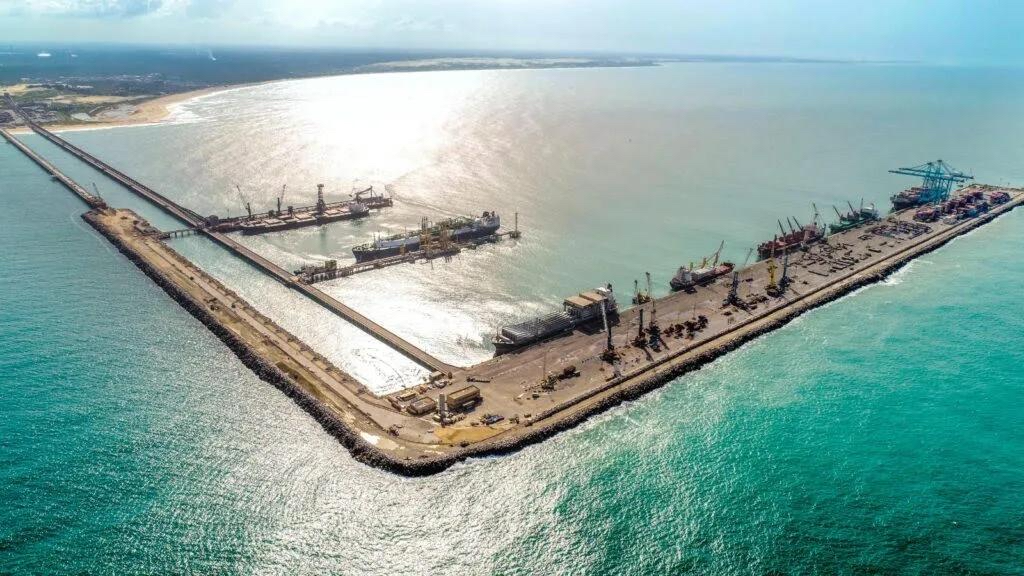
In 2018, the Port of Rotterdam Authority invested approximately €75 million to acquire a 30% stake in the Port of Pecém, located in the Brazilian state of Ceará. At the time, the move raised eyebrows. Why would Europe’s largest port invest in a relatively unknown port complex on Brazil’s northeastern coast? (portofrotterdam.com)
Seven years later, the answer is becoming increasingly clear.
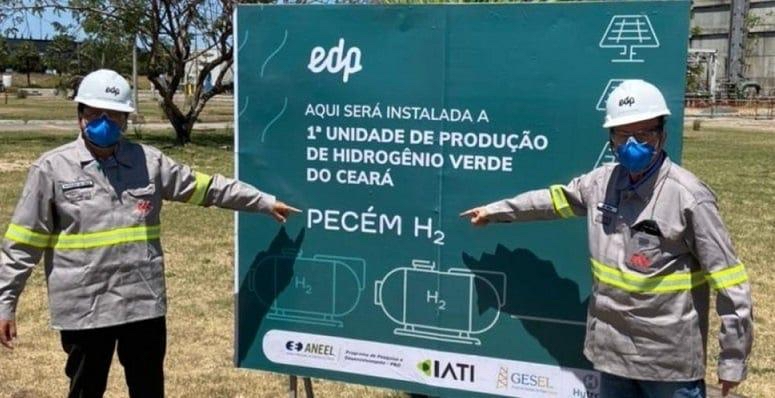
What began as a strategic investment in a growing logistics hub has evolved into something much larger. Today, Pecém sits at the center of Brazil’s ambitions to become a global exporter of green hydrogen and renewable fuels. The region has attracted billions of dollars in proposed energy and industrial projects, while Ceará estimates that green hydrogen developments alone could generate up to US$24 billion in investment and tens of thousands of jobs over the coming years. (DatamarNews)
For Rotterdam, the investment is about far more than port operations. It is a long-term bet on new trade corridors, future energy supply chains, and Brazil’s growing role in the global economy. As Europe searches for reliable sources of low-carbon energy and strategic industrial partnerships, Pecém is rapidly emerging as one of the most important gateways connecting South America and Europe. (portofrotterdam.com)
The rise of Northeast Brazil
For decades, international investment in Brazil was concentrated around São Paulo, Rio de Janeiro, and the country’s southern industrial regions. Today, however, Brazil’s Northeast is increasingly attracting attention as one of the country’s fastest-growing economic areas.
States such as Ceará are benefiting from major investments in infrastructure, logistics, renewable energy, and industrial development. Located closer to Europe and North America than many of Brazil’s traditional export hubs, the region offers strategic advantages for companies looking to serve international markets.
At the center of this transformation is the Port of Pecém and the surrounding Pecém Industrial and Port Complex (CIPP). What began as a regional port project has evolved into one of Brazil’s most ambitious industrial and logistics platforms, attracting investment across sectors ranging from steel and manufacturing to renewable energy and green hydrogen.
As global companies seek new locations for production, energy projects, and export-oriented industries, Northeast Brazil is increasingly positioning itself as a strategic gateway between South America and the rest of the world. While infrastructure and logistics have played an important role in this transformation, one opportunity in particular has attracted global attention: green hydrogen.
Green hydrogen and Europe’s energy transition
If there is one factor that has elevated Pecém from a regional port to a project of global strategic importance, it is green hydrogen.
As Europe works to reduce its dependence on fossil fuels and decarbonize heavy industry, demand for low-carbon energy sources is expected to increase significantly. However, producing sufficient quantities of green hydrogen within Europe remains challenging due to limited land availability, higher energy costs, and growing competition for renewable electricity.
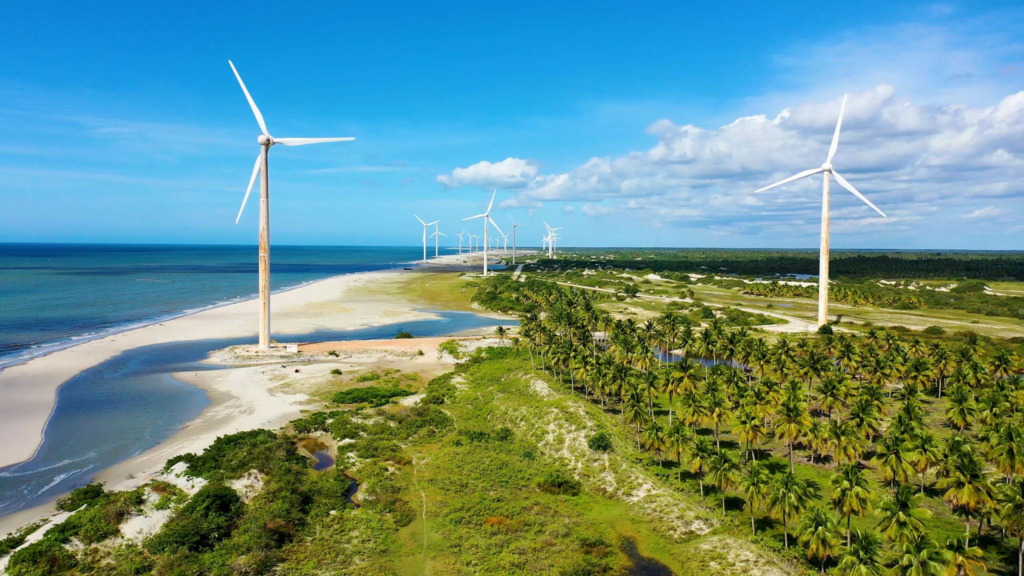
Brazil offers a compelling alternative. With some of the world’s strongest wind and solar resources, particularly in the Northeast, the country has the potential to produce green hydrogen at highly competitive costs. Ceará has already attracted billions of dollars in proposed hydrogen and green ammonia projects, with many of them planned around the Port of Pecém.
For Rotterdam, this creates an opportunity that extends far beyond traditional trade. By helping develop Pecém today, the Dutch port is positioning itself as a future gateway for Brazilian green hydrogen and renewable fuels entering the European market.
A new trade corridor between Europe and Brazil
The partnership between Rotterdam and Pecém reflects a broader shift in how global trade and industrial supply chains are evolving. As companies seek to diversify sourcing, secure strategic resources, and build more resilient supply networks, Brazil is becoming increasingly important to Europe’s long-term economic interests.
At the same time, the relationship between Europe and South America continues to deepen. The recently implemented EU-Mercosur agreement is expected to strengthen trade flows, reduce barriers, and encourage investment between both regions. Combined with growing demand for renewable energy, critical minerals, and industrial commodities, this is creating new opportunities for ports, logistics hubs, and export-oriented industries.
Pecém is uniquely positioned to benefit from these trends. Its strategic location, industrial infrastructure, and renewable energy potential make it more than just a port. It is rapidly evolving into a gateway connecting Brazilian industry and resources with international markets.
For the Port of Rotterdam, the investment is therefore not simply about today’s cargo volumes. It is a long-term bet on future trade routes, energy supply chains, and Brazil’s growing role within the global economy.
Rotterdam’s investment in Pecém is therefore not simply a bet on a port. It is a bet on Brazil’s future role in global trade, renewable energy, and industrial development.